Artificial intelligence (AI) has become an integral part of our daily lives, transforming numerous industries from healthcare to transportation. In the financial sector, AI is ushering in a new era of trading, particularly in automation. This blog post explores how AI trading automation is expected to revolutionize the market in 2026 and how you can harness this technology to learn and earn.
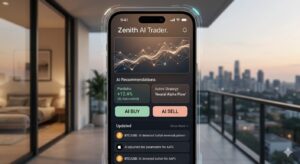
The Rise of AI Trading Automation
Trading automation has been around for some time, with algorithms and programmed strategies executing trades based on predefined rules. However, AI is taking automation to a new level. By employing machine learning algorithms, AI-powered trading systems can analyze massive amounts of data, detect subtle patterns and trends, and make real-time decisions, often outperforming human traders.
Key Drivers of AI Trading Revolution in 2026
Several factors are contributing to the growing influence of AI in trading:
-
Sophisticated Machine Learning Models: Advanced machine learning techniques, such as deep learning, are enabling AI to identify more complex market signals and adapt to changing market conditions quickly.
-
Increased Computing Power: The continuous advancement of computing technology is providing the necessary processing power to handle large datasets and complex algorithms.
-
Proliferation of Financial Data: The increasing volume and accessibility of financial data, including real-time market data, news feeds, and social media sentiment, are providing AI models with a wealth of information to analyze.
-
Growing Acceptance and Adoption: Institutional investors, hedge funds, and increasingly, individual traders are embracing AI trading automation, fueling its growth.
How AI Trading Automation is Transforming the Market
The impact of AI trading automation on the market is expected to be profound by 2026:
-
Increased Market Efficiency: AI-powered trading systems can execute trades faster and more efficiently than human traders, potentially reducing market volatility and tightening bid-ask spreads.
-
Enhanced Risk Management: AI can analyze vast amounts of data to identify and manage risk more effectively. AI-powered systems can set dynamic stop-loss orders and adjust portfolio allocations to mitigate potential losses.
-
Personalized Trading Strategies: AI can analyze an individual trader’s risk tolerance, investment goals, and trading style to develop personalized trading strategies.
-
Democratization of Trading: AI trading automation is becoming more accessible to individual traders, offering opportunities to participate in the market that were previously limited to institutional investors.
Learn to Earn with AI Trading Automation
If you’re interested in leveraging AI trading automation, here’s how you can learn and earn:
-
Educate Yourself: Learn about the fundamentals of AI, machine learning, and trading strategies. Numerous online courses, workshops, and educational resources are available.
-
Choose the Right Trading Platform: Select a reliable and reputable trading platform that offers robust AI trading tools and features.
-
Develop a Sound Trading Plan: Define your trading goals, risk tolerance, and trading strategy.
-
Backtest and Optimize Your Strategies: Thoroughly test your AI trading strategies on historical data to evaluate their performance.
-
Start Small and Manage Your Risk: Begin with a small amount of capital and implement strict risk management practices.
The Future of AI Trading Automation
As AI continues to evolve, we can expect to see even more innovative and advanced applications in the trading world. While AI can potentially deliver significant benefits, it’s essential to understand the associated risks and limitations.
Conclusion
The year 2026 is poised to witness a significant transformation in the financial market, driven by the increasing adoption of AI trading automation. By understanding the technology and its implications, individual traders can position themselves to learn and earn in this evolving landscape.